Teaching
My Approach to Dance Instruction
I seek to foster in students a lasting critical inquisitiveness about the moving body by inspiring them to discover the joy of dance.
My aim for students is twofold. First, I want them to embody particular dance movements with clarity and confidence. I build class meetings around an age-appropriate conceptual theme, such as balance, rhythm, or cross-lateral motion, to offer a few examples. Class themes focus our engagement with movement, help provide structure to our meetings, and unite our physical practice with our critical understanding of the dance form(s) we are studying in order to make us better practitioners and artists.
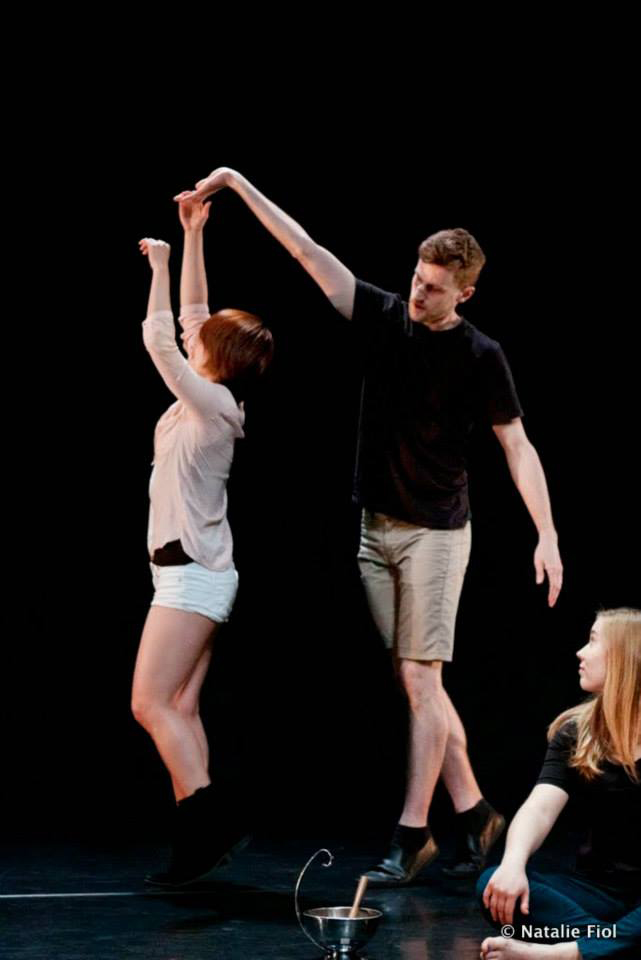
Second, I aim to develop an ethic of sustained and invested curiosity in embodied movement. My classes at all levels include opportunities to create original choreography or to investigate and apply class concepts through structured improvisation. By allowing students time to test movement concepts out on their own, I seek to empower their curiosity and unique movement interests.
My goal is to support students' physical and mental well-being and to help them sustain a life-long relationship with dance. To that end, I seek to maintain a welcoming environment for all my students. My "come-as-you-are" approach includes tailoring class material to the particular needs of each unique group of students. I also respect a student's ability to decide for themselves if they are ready to share their dancing in front of others, and so I will always ask my students if they want to volunteer if I am looking to have students demonstrate or perform for each other.
I believe dance education is best served by an orientation toward experimentation and discovery. In my introductory technique classes, I provide students with a foundational understanding of the aesthetics of the dance forms we are working in while inviting them to make their own conclusions about how those aesthetics are applied to their dancing. I highlight possibilities and recognize growth in support of the courage it takes to be in a dance class trying out new and unfamiliar ways of moving. This allows students opportunities to experiment without judgement while also valuing the unique style they bring to the form.
Differences in approach and style are, therefore, valued and validated in my studio.
How I Provide Feedback
In technique classes, I provide aural and visual feedback to assist students in understanding what is considered convention within a given technique. Inspired my own dance mentors including Dr. C. Kemal Nance and Lizz Roman, I use fully-embodied demonstration as a primary instruction and feedback tool.
I ask students to make observations and ask questions about demonstrated material before asking them to apply those observations to their own practice.
I offer examples by demonstration, pose questions, offer observations, and invite curiosity.